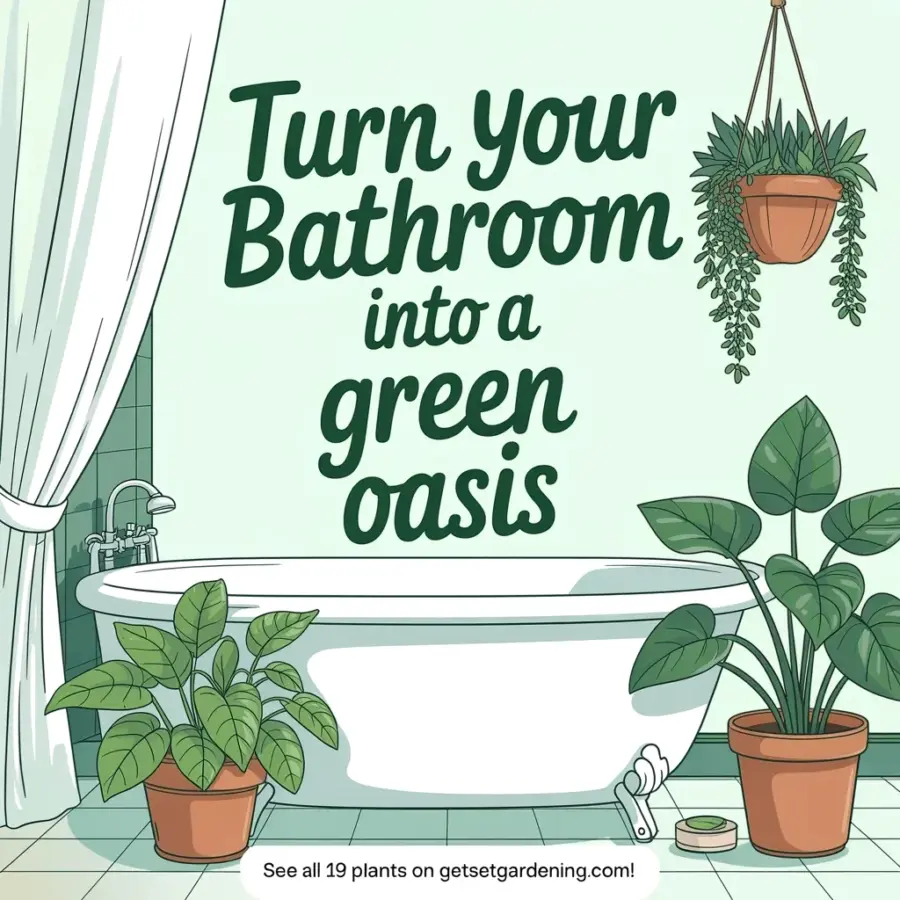
You have probably seen the photo that floats around Pinterest every single spring: the pristine white bathtub, the dark green leaves cascading from a terracotta pot, the whole room looking like a tiny botanical spa. It is gorgeous. It is aspirational. And for a lot of people, it is a total lie. Not because the plants are fake, but because the person who recreated that setup probably chose the plant for the pot instead of the humidity. That right there is the bathroom plants mistake that quietly kills more green oases than any black thumb ever could.
Here is the thing about bathrooms. They are not one single environment. A bathroom in a sun-drenched apartment with a skylight is a completely different world from a basement powder room with one frosted window. You cannot just sprinkle tropical plants around a soaking tub and hope for the best. The humidity that makes a bathroom feel like a steam room is a gift for some plants and a death sentence for others. The water on the leaves, the condensation on the glass, the general mugginess. It all matters.
Why ignoring the humidity is such a common bathroom plant mistake
Most of us walk into a bathroom and think only about the light. Does the window face east? Is the corner too dark? We obsess over the sun and completely forget about the air. But here is the thing: the humidity is the defining feature of the room. Every shower you take pumps warm, moist air into the space. If you have no exhaust fan and you leave the door shut, you are basically creating a terrarium. Some plants will absolutely love that. Others will rot.
I learned this the hard way with a beautiful, delicate calathea. I placed it on the edge of a pedestal sink, thinking the soft morning light would be perfect. The leaves turned brown at the tips within ten days. The soil stayed soggy for weeks. The plant was drowning in the air itself, not the water I gave it. I could have watered it once a month and it still would have sulked. So if you want a green oasis that actually survives, you need to pair the humidity level with the plant’s natural preference. That matters more than the perfect decorative pot.
How to actually read the light in your bathroom
Before you buy anything, stand in the middle of the room and look around. Not at the sink, not at the bathtub. Look at the walls and the floor. Where does the light actually land? Our bathroom has a narrow window above the tub, and the light only reaches the far wall in the late afternoon. The corner next to the toilet is basically a cave. I used to think a big fiddle leaf fig would thrive there because the room felt bright when the sun was high. In reality, that spot received less than an hour of direct light a day. I moved it, and it dropped leaves within the week.
To figure out your own bathroom, you have to be brutally honest with yourself. Look, a bright bathroom with white tiles often *feels* lighter than it really is. The reflection tricks your eyes. So ignore the vibe. Check the actual conditions:
– Windows facing south or west give you strong, direct light for the whole afternoon. That can handle sun-loving plants.
– East-facing windows give you gentle morning sun. Many tropical plants do great here.
– North-facing windows are low light. You need a pothos or a fern, not a cactus.
– A bathroom with no window at all is not hopeless, but it will never support a sun-loving plant without a grow light.
Take a moment to note where you take your showers, too. A shower with a glass door floods the whole room with steam. A shower with a heavy curtain blocks much of the moisture. Those are two different environments. The pothos on the shelf will feel the difference.
The pothos is the plant for this exact scene
Let’s talk about the classic hanging terracotta pot in the illustration. The trailing green plant spilling over the side of the white bathtub is practically a pothos. And that is no accident. Pothos plants are the undisputed champions of the low-light bathroom. They do not need a sunbeam to survive. They do not need perfect humidity, though they will happily take it. They are honestly the plant equivalent of that friend who can sleep anywhere and still wake up in a good mood.
But here is the practical detail most people miss. Even a pothos wants a bit of brightness. It will tolerate low light, sure, but it will not *thrive* in a pitch-dark corner. The leaves will stretch, the gaps between the leaves will get longer, and the cascading look you want for that pretty pot just will not happen. So if you are recreating the look from the image, keep the pothos near the window. Above the tub, on a shelf, anywhere it can catch indirect light. You will get that long, lush trail, and the vines will look fuller and healthier.
Matching the plant to the spot, not the aesthetic
That terracotta pot and white tub look is so popular right now that people buy the plants just because they saw them in a photo. I get it. The vibe is intoxicating. But a plant is not a vase you can just swap out. It is a living thing with strong opinions. You might adore the look of a giant monstera with broad glossy leaves, but if your bathroom has a tiny window and no fan, that monstera will slowly give up. It needs indirect light, yes, but also space to grow. A cramped bathroom with a steam problem is not the place.
Instead, match the actual plant to the actual spot. If you have high humidity and low light, go for ferns and peace lilies. They love the dampness. If your bathroom is dry most of the day and only gets steamed during your morning shower, then you can play with plants like the pothos or a trailing philodendron. They tolerate the variation. The giant broad-leafed plants in the illustration look gorgeous, but they belong to a bright living room with a humidifier, not a dim bathroom corner.
Two extras for someone who wants to try the white bathtub look
If you are actually staging this photo, you probably want more than a solitary pothos. You want a full green oasis, plants on the floor, plants on the edge of the tub, everything lush. Fine. But choose your extra plants with the same caution. A peace lily is a fantastic second plant. It will sit on the floor in a decorative pot and tolerate the lower light, plus it acts like a moisture meter. The leaves droop dramatically when it is thirsty, so you always know when to water it. It is dramatic, but in a helpful way.
Another good option is a trailing philodendron, often called the “sweetheart plant” because of the heart-shaped leaves. It looks similar to a pothos but the leaves are softer and slightly shinier. It handles the bathroom humidity just as well. You already have a pothos, so hang the philodendron on a shelf across from the window. You get a layered look without having to fight a fickle plant. Just do not buy a fern if you are forgetful. Ferns need constant moisture and then they turn brown anyway. I swear they exist to test our patience.
When your bathroom gets it wrong anyway
Despite your best efforts, sometimes the environment wins. You will notice the signs. A plant that looks pale and stretched is begging for more light. A plant with yellowing leaves and mushy stems is drowning in moisture. Brown, crispy edges usually mean the air is actually too dry, which is rare in a bathroom, but it happens if you have an aggressive exhaust fan that runs for hours after a shower. That fan, by the way, is the silent killer of many bathroom plants. It sucks the steam out fast, leaving the air drier than the Sahara.
If a plant is failing, do not just water it more. Move it first. Give it a different spot in the room, or move it out of the bathroom entirely for a few weeks. Plants are more forgiving than we give them credit for. They will bounce back if you give them a fair chance. But the biggest mistake, the one that started this whole post, is ignoring the humidity entirely and assuming every plant will be fine because it is in a bathroom. That is exactly how the green oasis dies.
So here is the final word. Look at the light, feel the air, and know your plant’s limits. A bathroom with a white tub and a trailing pothos in a terracotta pot is a beautiful setup. It can absolutely be a real, thriving corner of your home. You just have to choose the greenery for the room you have, not the room you saw in a dreamy Pinterest photo. If you get that part right, the rest is just watering and patience. Save this post for your green bathroom plan, and go pick a plant that will actually love living in there.
Leave a Comment